
Occupational Therapy Isn't Just for Motor Skills — Here's What It Really Covers
Team VillageED — July 15, 2026
For Parents · Therapies
If you think OT means handwriting practice and nothing else, you're missing most of what it actually does.
Say “occupational therapy” to most parents, and the image that comes to mind is a kid practicing pencil grip or cutting paper with safety scissors. That’s part of it — but it’s a small part. Occupational therapists look at everything that stands between a child and getting through their day: how their body handles sound and touch, how they calm down after being upset, how they manage a morning routine. For a lot of kids, that has almost nothing to do with a pencil.
What OT actually covers
- Fine motor skills — handwriting, using scissors, buttoning a shirt, holding utensils. This is the part most people already know about.
- Sensory processing — helping kids who are overwhelmed by noise, textures, or light, or who seek out intense movement to feel regulated.
- Self-regulation — building tools to calm down, transition between activities, and handle frustration without a full-body meltdown.
- Daily living skills — getting dressed, brushing teeth, managing a backpack, and other routines that seem small until they're a daily struggle.
- Visual motor skills — the coordination between what the eyes see and how the body responds, which affects everything from copying from the board to catching a ball.
- Executive function support — organizing tasks, following multi-step directions, and managing time, especially for kids with ADHD.
Signs OT might help, beyond handwriting
- Meltdowns over textures, tags, socks, or certain foods
- Covering ears at normal noise levels, or seeming to constantly seek noise and movement
- Struggling to sit still, or needing to touch everything nearby
- Big reactions to changing activities or environments
- Trouble with basic self-care tasks that peers have outgrown
If your child's struggle involves their body, their senses, or their daily routines, there's a good chance OT belongs in the conversation — even if it has nothing to do with a pencil.
What an OT session actually looks like
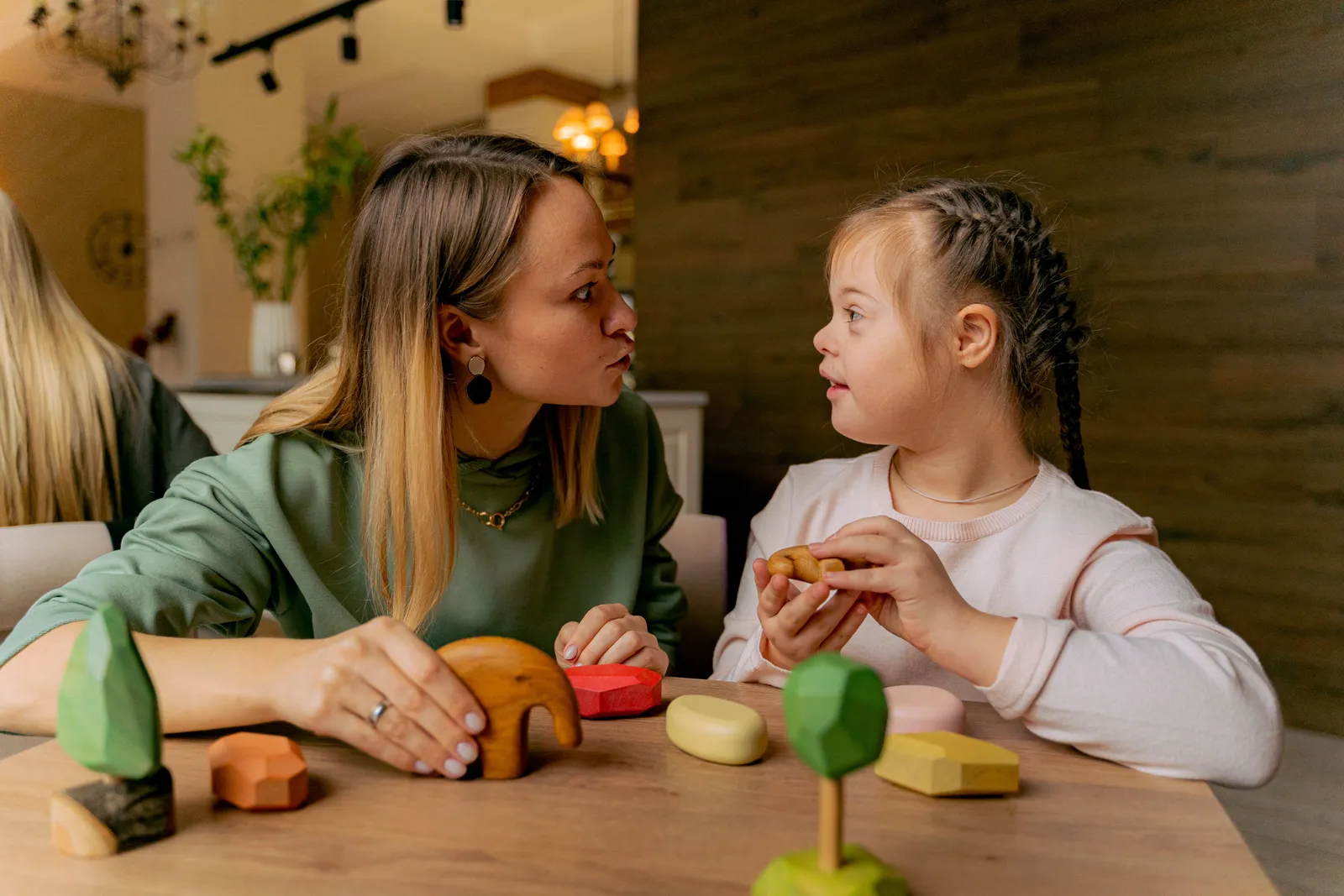
Sessions often look more like play than therapy — swinging, climbing, building, or games that quietly target a specific skill. That’s intentional. A skilled OT is usually working on regulation, coordination, or planning even when it looks like your child is just having fun.
Good to know
- OT and physical therapy (PT) are not the same thing — PT focuses more on gross motor skills like walking and balance, while OT focuses on function in daily tasks.
- A child doesn't need a specific diagnosis to benefit from OT. Eligibility is based on functional need, not a label.
- OT goals can absolutely be built into an IEP, with services delivered during the school day.
How VillageED can help
You don't have to figure this out on your own. Our licensed, credentialed special education team can support your child every step of the way:
- Occupational therapy services covering sensory, motor, and daily living needs — with no waitlists
- Help determining whether OT is the right fit before committing to services
- Support making sure OT goals are built correctly into an existing IEP
- Virtual, home-based support built around your child's personal goals — like getting dressed independently or handling a noisy family dinner — not just academic ones
Wondering if OT could help your child?
Talk with a VillageED specialist about an occupational therapy evaluation built around your child's needs.
Book a Free Consultation